Trade shows and events
Bottles for a trade show: the checklist before the stand opens
Written by Pure Arctic
4 min read • Last updated: 30 July 2026
A stand that runs out of water at eleven in the morning has lost both a service and a conversation starter. Working out how many bottles a trade show needs is simpler than most people think, but it has to be done in the right order.
Summary
- Work out the quantity from the visitor numbers the stand itself gets, not the total for the trade show.
- The minimum order is 120 bottles, and the price steps down at fixed intervals above that.
- The deadline that governs everything is the approved proof. Delivery follows by day 10 at the latest.
- 0.33 litres suits handing out in passing, 0.5 litres suits meetings and seminars.
Work out the quantity before you work out the price
Start with the visitor numbers the stand realistically gets, not the total attendance for the trade show. A usable rule of thumb is one bottle per conversation, plus what the stand staff drink themselves over the course of the day. Add a reserve for the last day, which is the day it tends to run out.
The minimum order at Pure Arctic is 120 bottles. From there the price steps down at fixed intervals, at 240, 480, 720 and further up. The steps mean that a small jump in quantity sometimes lowers the price per bottle, so it is worth looking at the step above the first calculation before the order is placed.
A surplus is rarely a problem. Bottles that did not go out at the stand work in reception, at the next customer meeting or in a welcome pack for new employees, and there is no expiry date pressing on them. A stand that ran out at eleven, on the other hand, has no reserve to draw on, and that hour does not come back.
Plan backwards from the day the stand opens
The date that governs everything is not the order date. It is the day the proof is approved. Pure Arctic delivers by day 10 at the latest after an approved proof, and production never starts before the approval is in.
So place the approval early enough that there is room for a revision. Two proof revisions are included. The most common delay is not production, it is a proof sitting and waiting for an approval inside the buying company.
Agree in advance who is going to approve it, and what happens if that person is on holiday the week the proof arrives. One named person with the authority to sign off, plus a deputy, is enough. That is the simplest insurance against a trade show standing there without bottles because an email sat unread for three days.
Choose the size according to what happens at the stand
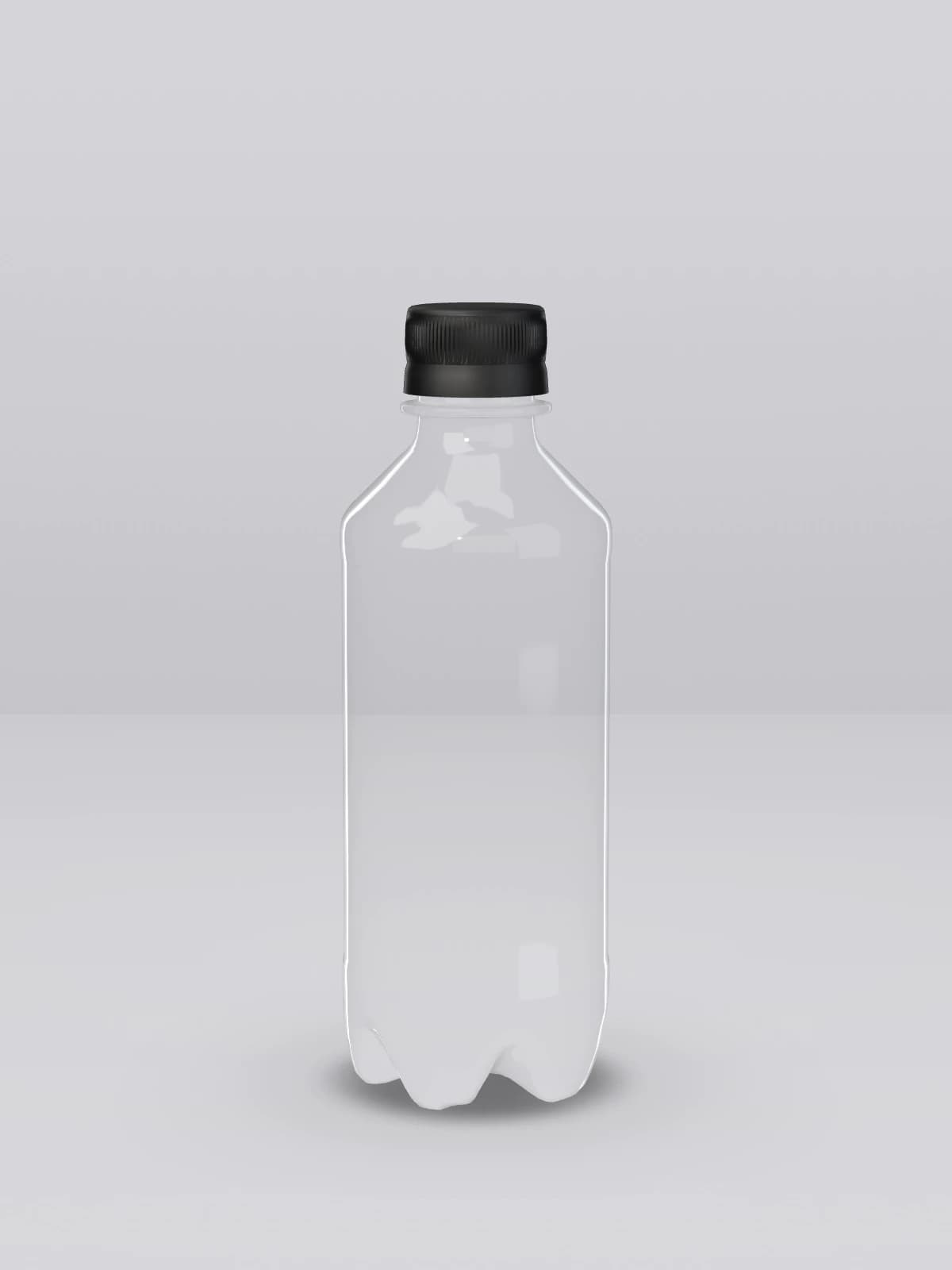
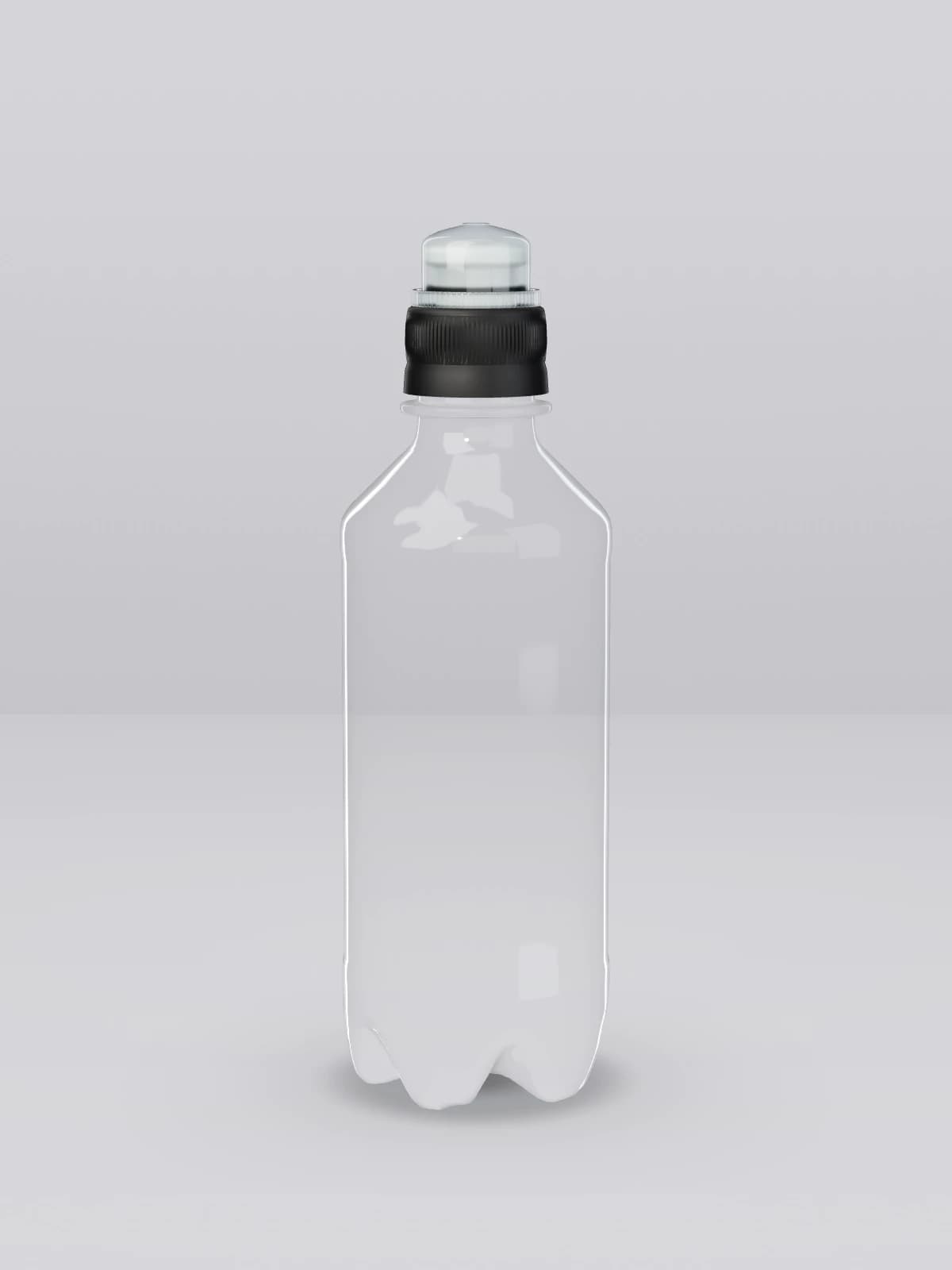
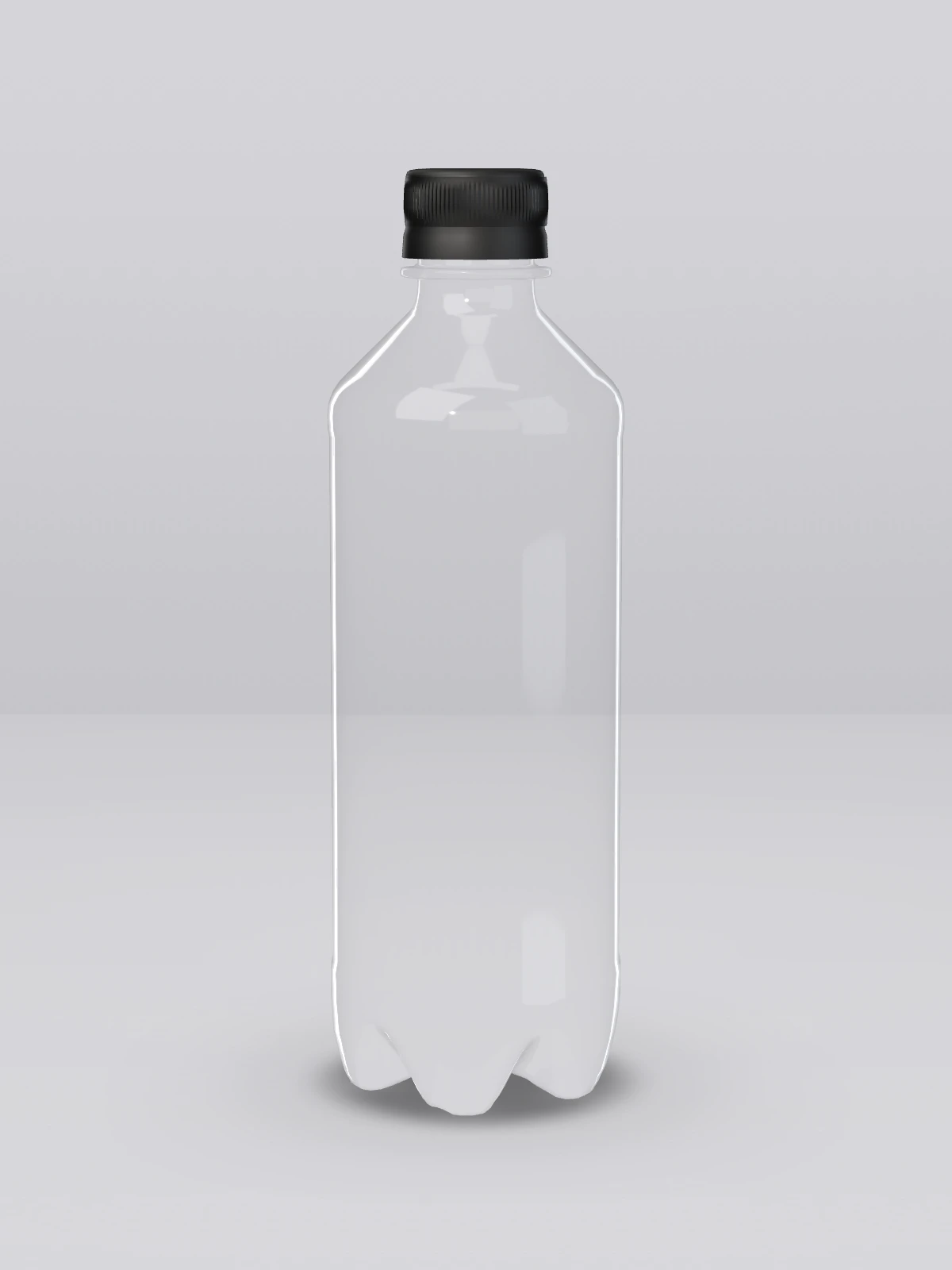
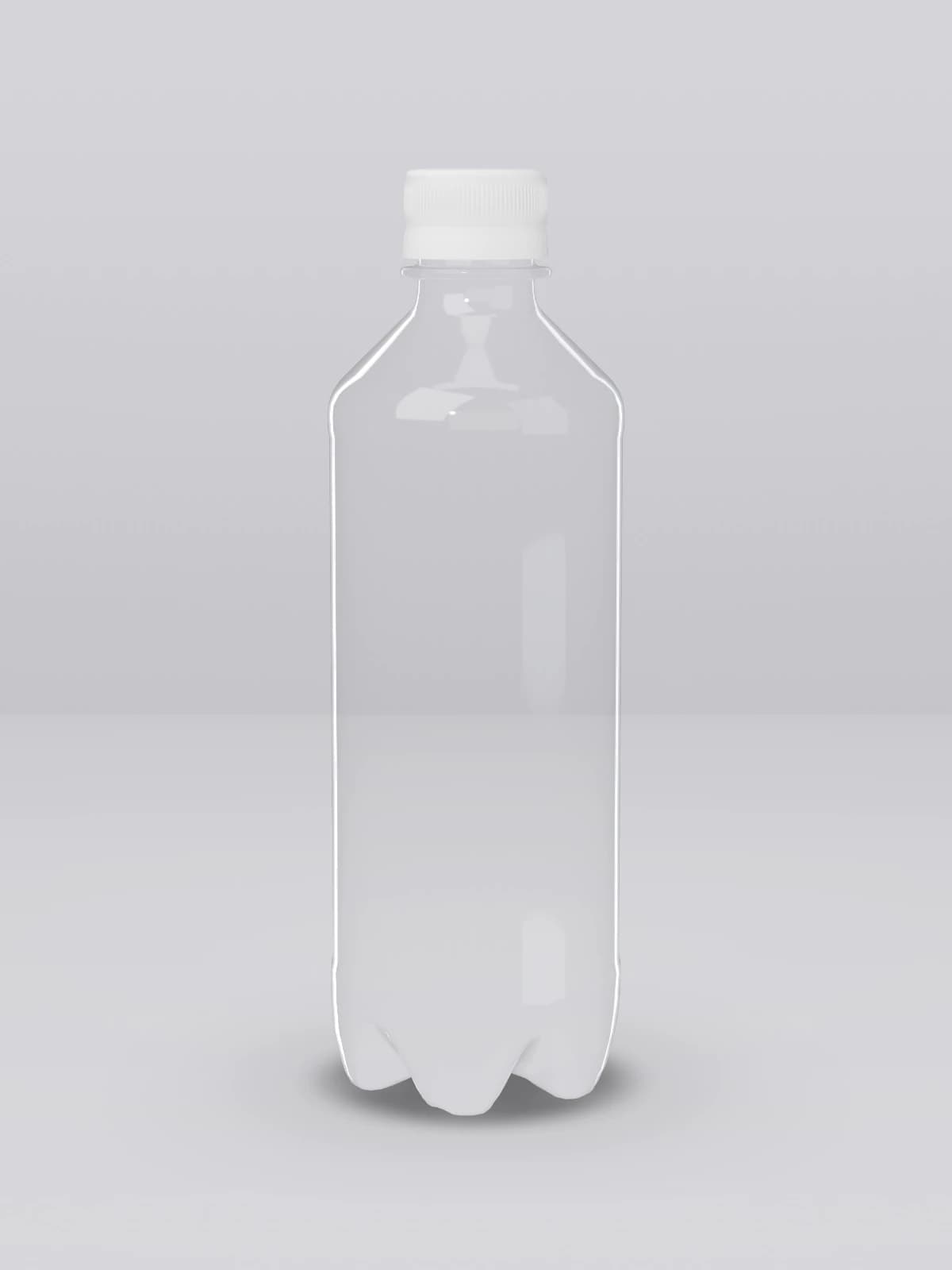
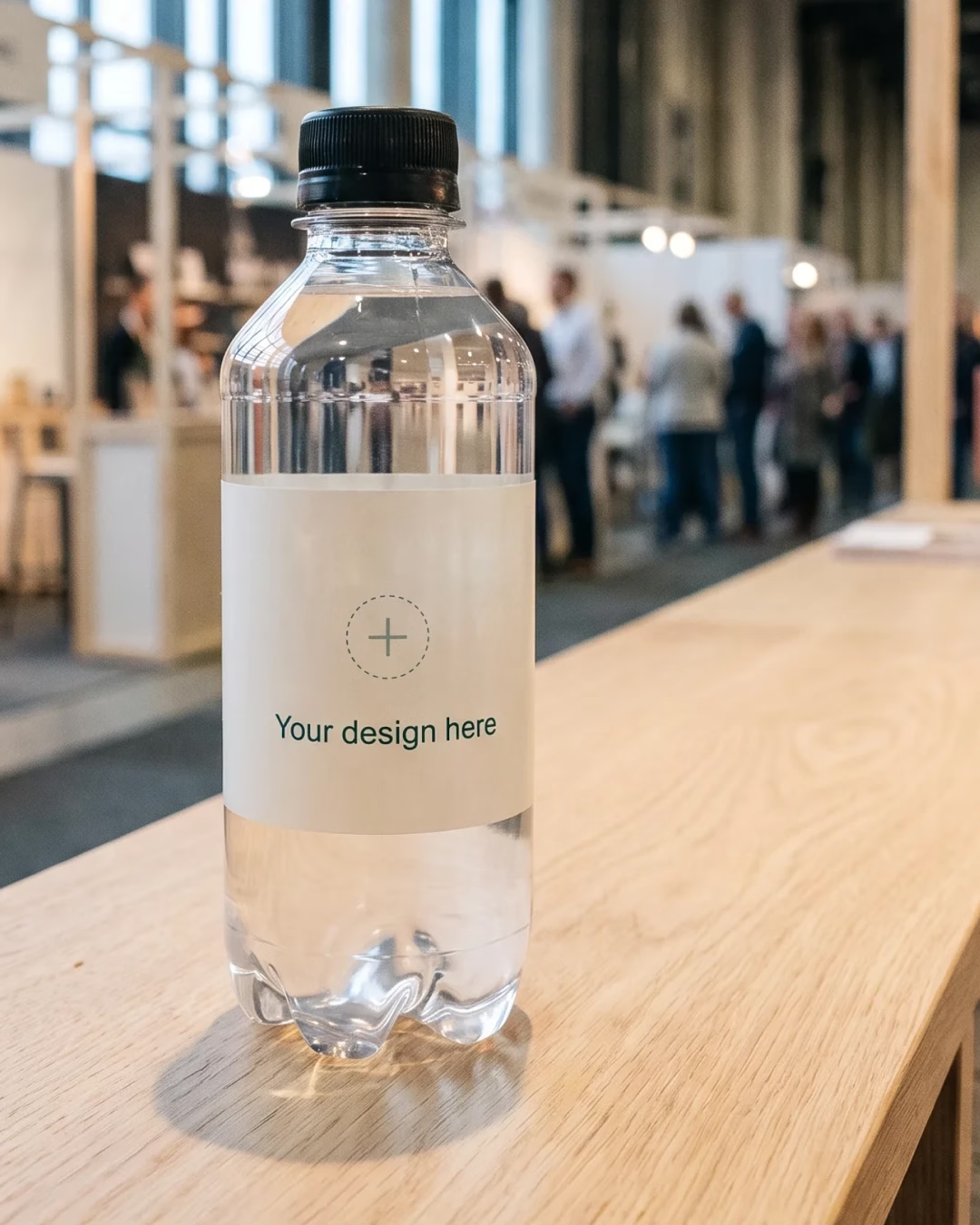
0.33 litres is the format for short conversations and full hands. It is easy to take along in the trade show bag, and it rarely ends up standing half full on a table. 0.5 litres suits the places where people stay for a while, in a meeting at the stand or at a seminar.
If the bottle is handed out at the entrance to the stand, the smallest format wins. If it has to stand in front of someone through a whole meeting, the largest one does. Both sizes come in the same variants, so the choice is about the situation and not about the range.
Remember the weight as well. Water is heavy, and a pallet of bottles has to reach the exhibition hall and then be carried onto the stand. Check how the trade show handles goods reception, when the shipment can be delivered, and whether there is storage space behind the stand. A delivery locked inside a goods reception until the day after the opening helps nobody.
Let the bottle say something after the show
A bottle with only a logo is a bottle. A bottle with a logo and a way onward is a point of contact. A short web address or a QR code on the label gives the recipient somewhere to go after the stand has been packed down and the trade show bag has been emptied onto a kitchen table.
Keep the message shorter than feels right. One line that explains why the recipient should care does more than three lines explaining what the company does.
The same bottle can also be used at several events in a year, as long as the label does not tie it to a single date. A design without a year or the name of a trade show can go straight on to the next occasion, and a larger print run then becomes both cheaper per bottle and easier to plan.
Checklist before the stand opens
Five points, gone through in good time, keep the delivery out of the last week before the show.
- Quantity worked out from the visitor numbers the stand itself gets, with a reserve for the last day.
- Proof approved early enough that there is room for a revision.
- Size chosen according to whether the bottle is handed out or left standing on a table.
- Delivery address settled: the exhibition hall, or the office before departure.
- Something on the label that gives the recipient a way onward.